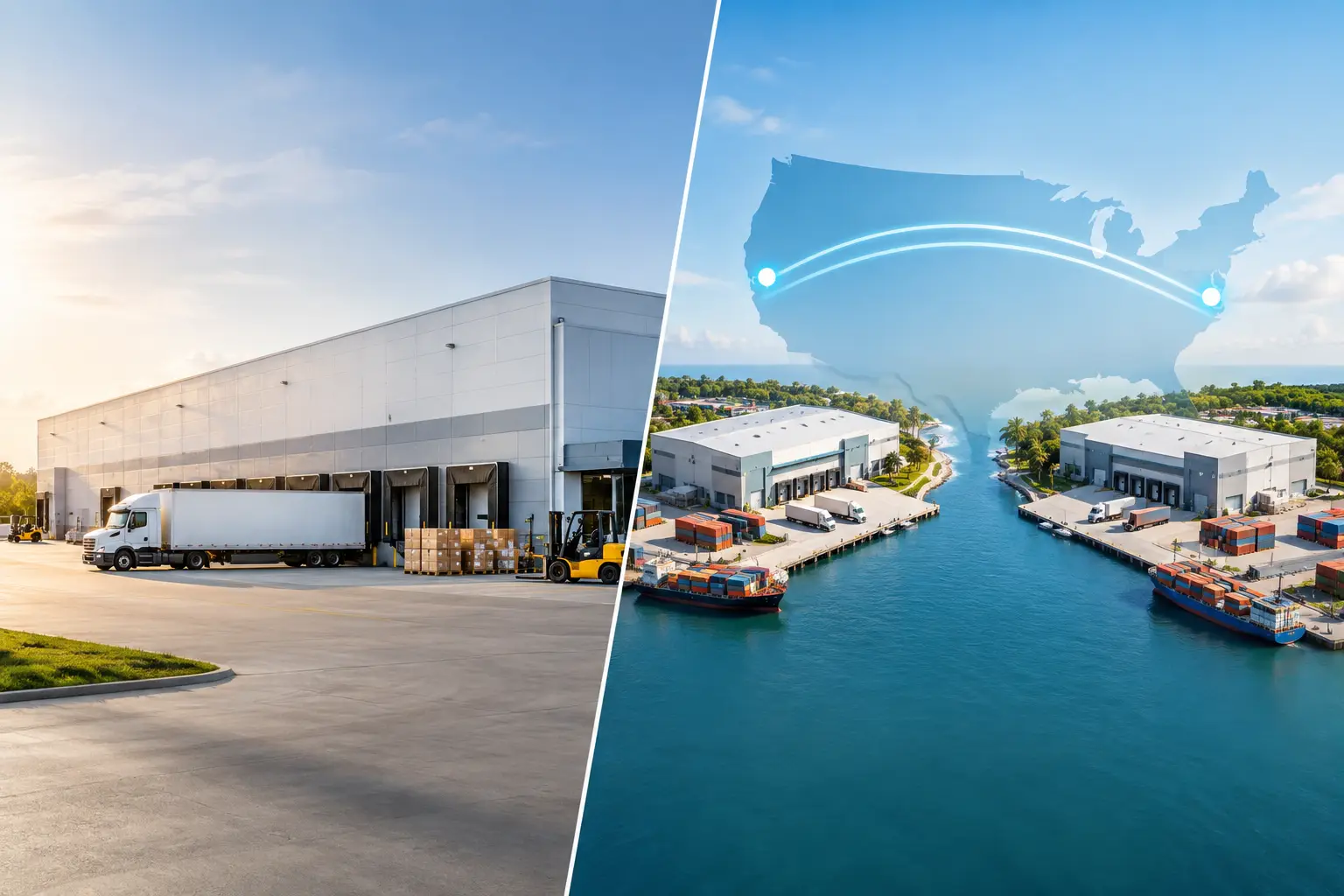
Single Warehouse Versus Dual Coast Fulfillment
Compare single warehouse versus dual coast fulfillment to balance freight, transit speed, inventory complexity, and scalable national service for growth.


Compare single warehouse versus dual coast fulfillment to balance freight, transit speed, inventory complexity, and scalable national service for growth.
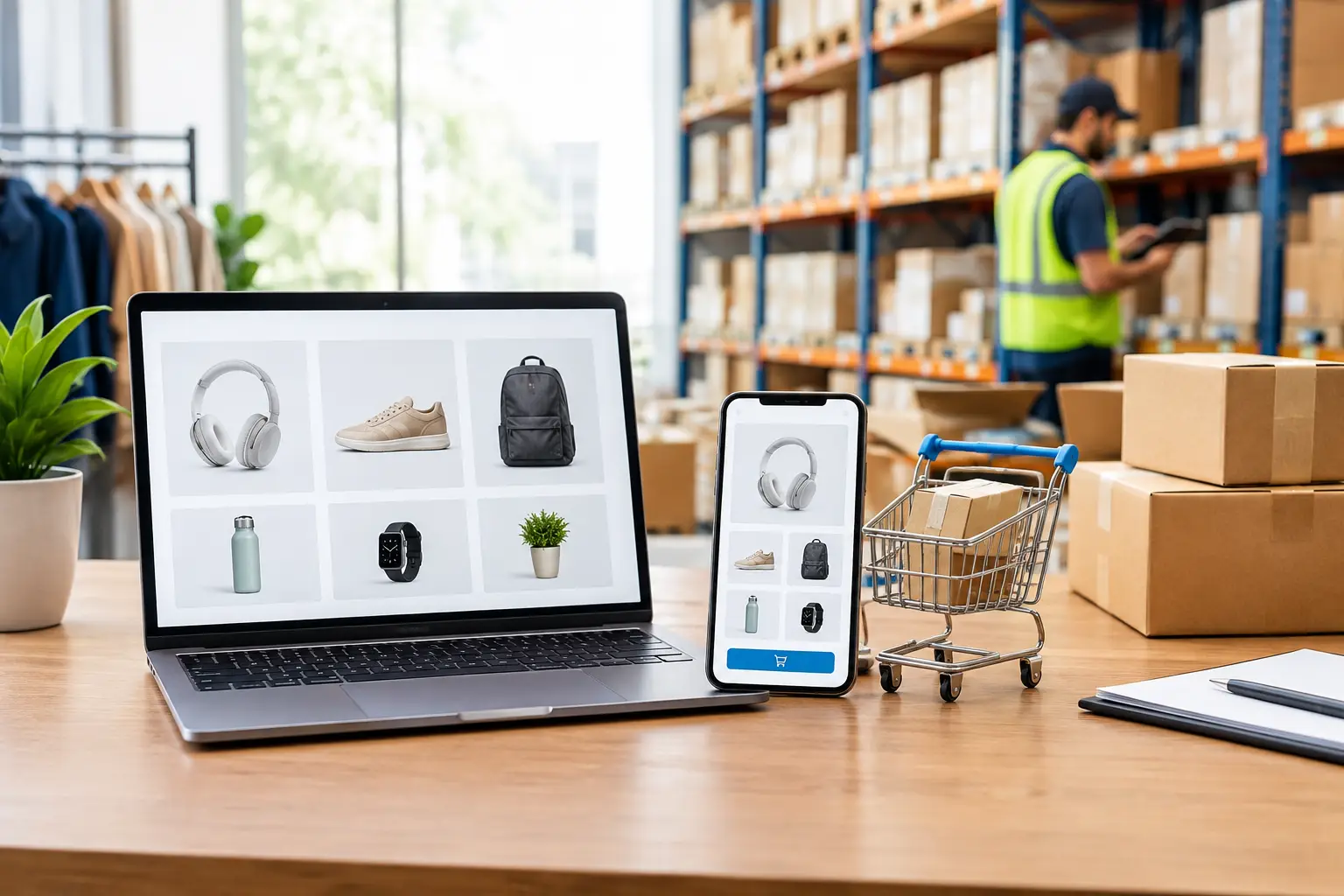
Learn how to prevent stockouts with stronger forecasting, replenishment, inventory accuracy, and fulfillment planning across every sales channel at scale.

Freight accessorial fees can quietly raise transportation costs. Learn what triggers them, how to forecast them, and how to reduce avoidable charges early.

Stockout prevention strategies help growing brands improve forecast accuracy, inventory placement, replenishment timing, and customer service at scale.
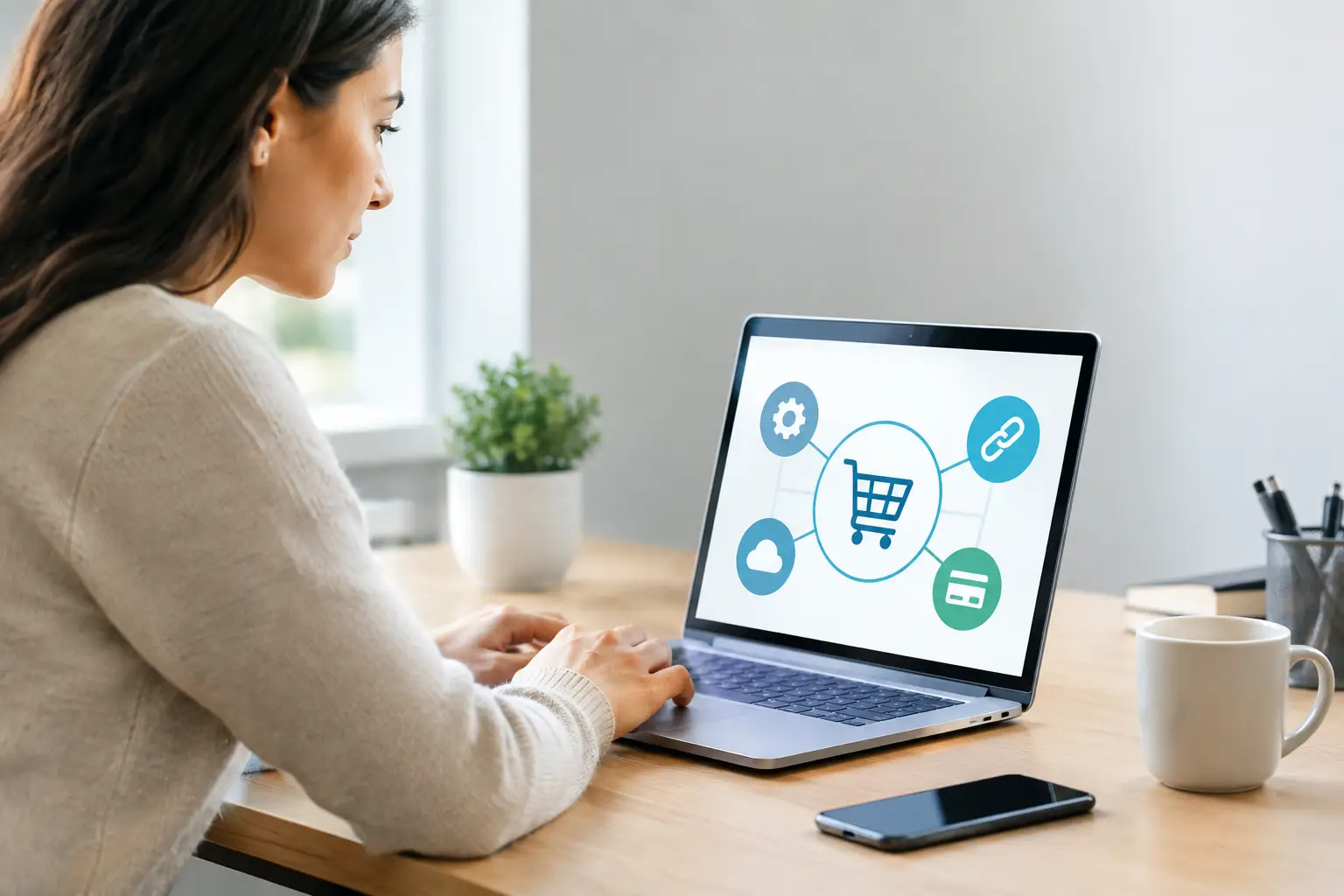
Follow cart integration implementation steps that protect inventory accuracy, speed order flow, and give your fulfillment team a cleaner launch from day one.

Use this warehouse relocation planning guide to protect service levels, control costs, and move inventory without disrupting customer and retailer orders.

What is omnichannel distribution? Learn how one inventory strategy supports DTC, retail, and B2B growth while improving speed, accuracy, and cost control.

Warehouse network optimization helps brands place inventory closer to demand, reduce freight spend, improve delivery speed, and scale reliable fulfillment.

Track top order fulfillment metrics to improve speed, accuracy, inventory control, and cost performance as volume rises and channel complexity grows.

Use this transportation management system guide to assess carrier costs, route planning, freight visibility, and integrations for growing brands.

Reverse logistics turns returns, repairs, and excess inventory into a process that protects margin, improves visibility, and earns customer trust daily.
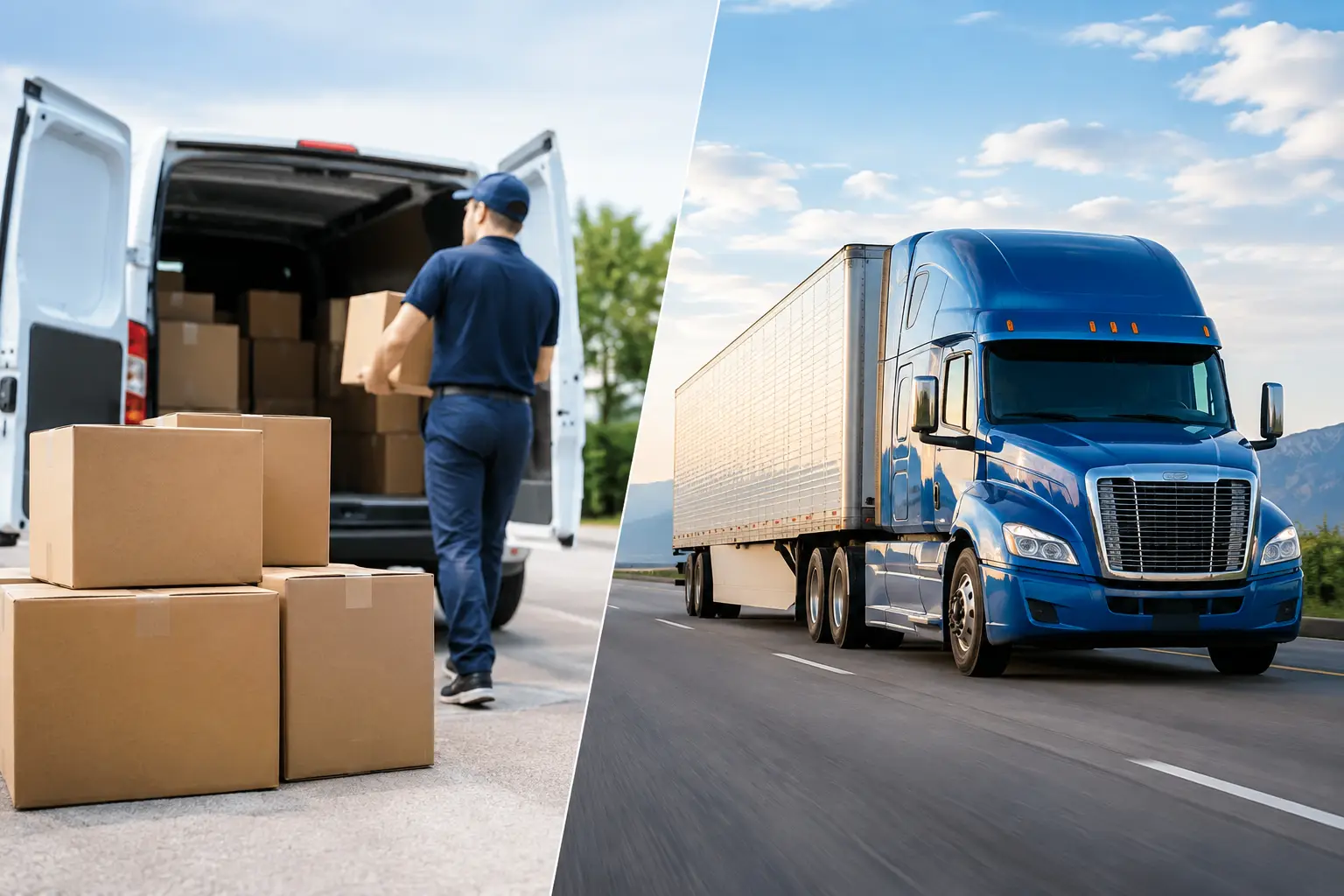
Understand parcel shipping versus freight shipping, including costs, transit, handling, and how the right mode supports smarter fulfillment decisions.

API EDI integration gives growing brands real-time order flow, retailer compliance, and control to scale fulfillment across every channel with confidence.
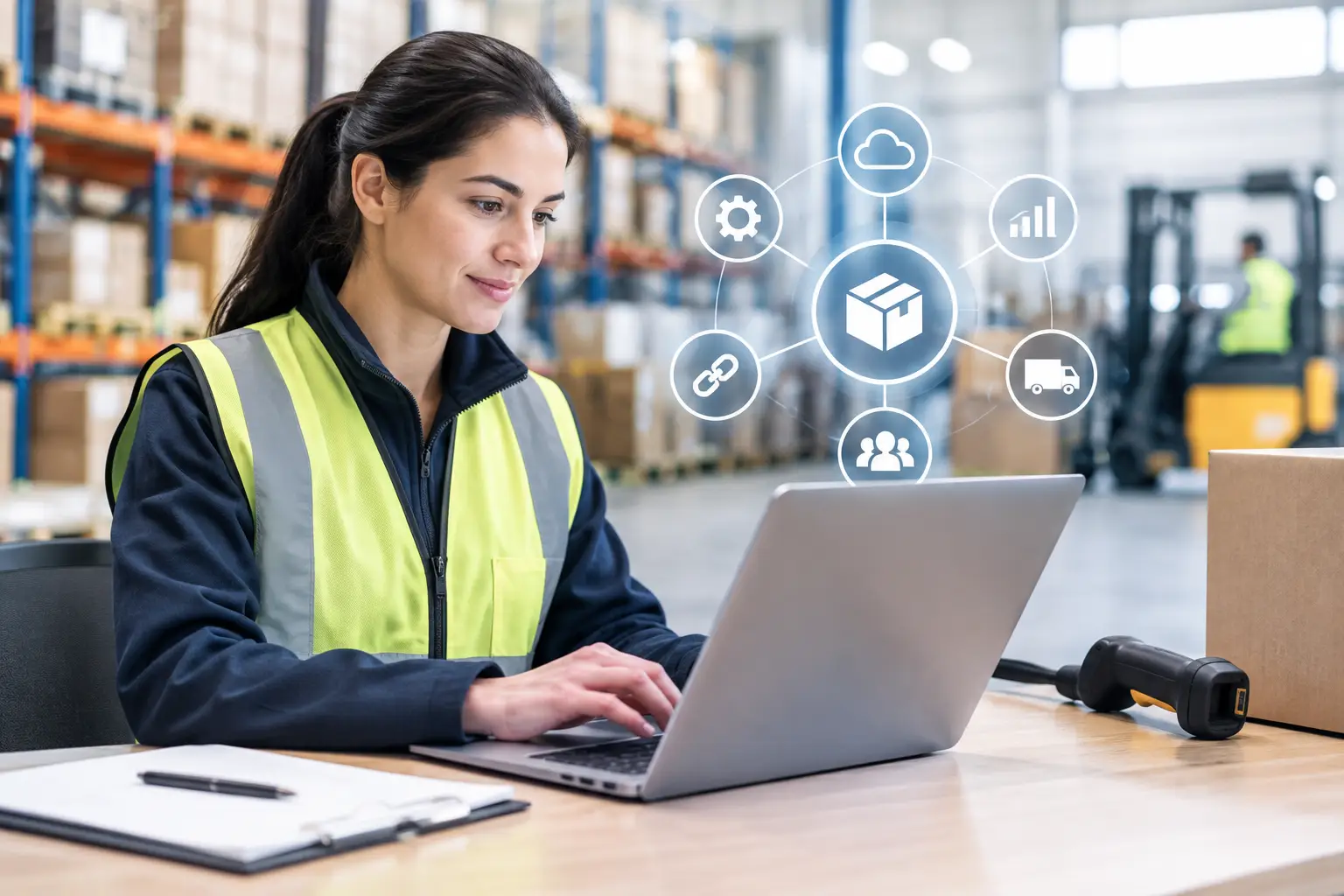
Compare the best warehouse management integrations for inventory accuracy, faster fulfillment, retailer compliance, and scalable omnichannel growth now.

Can 3PL integrate with ERP? Learn how connected fulfillment improves inventory accuracy, order flow, compliance, and scalable growth across channels fast.

What is a warehouse SLA? Learn the service commitments, metrics, remedies, and review practices that make a 3PL partnership accountable as you scale well.
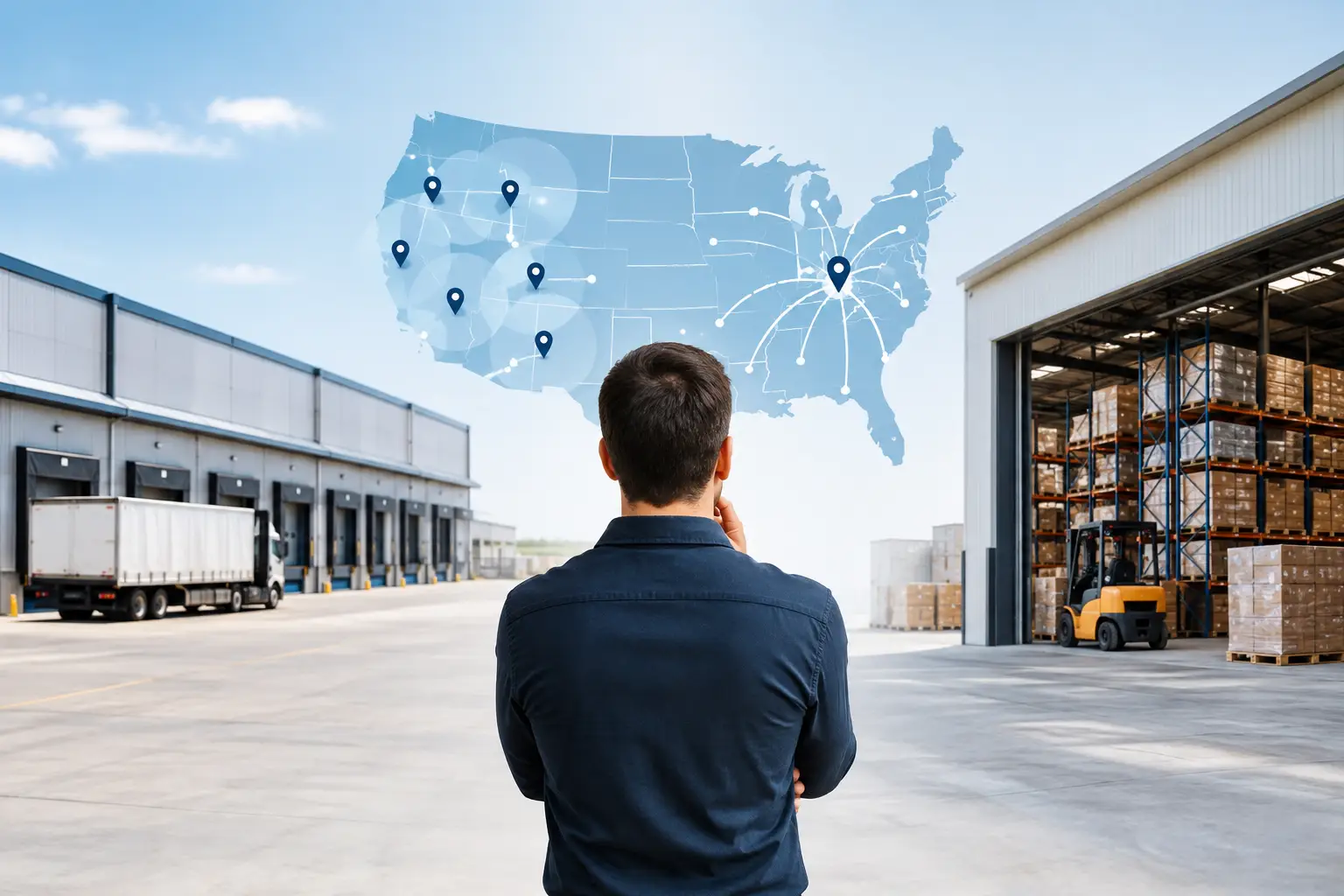
Regional versus national warehousing affects delivery speed, inventory cost, and growth capacity. Learn how to select the right network for your brand.

Purchase order automation reduces manual work, improves inventory and vendor control, and helps brands keep fulfillment, freight, and retail orders moving.

Dedicated versus shared warehouse space shapes cost, inventory control, labor, and service levels. See how brands can select the right fulfillment model.

Warehouse automation trends 2026 will reshape fulfillment through practical robotics, data, labor design, and smarter network decisions for growing brands.
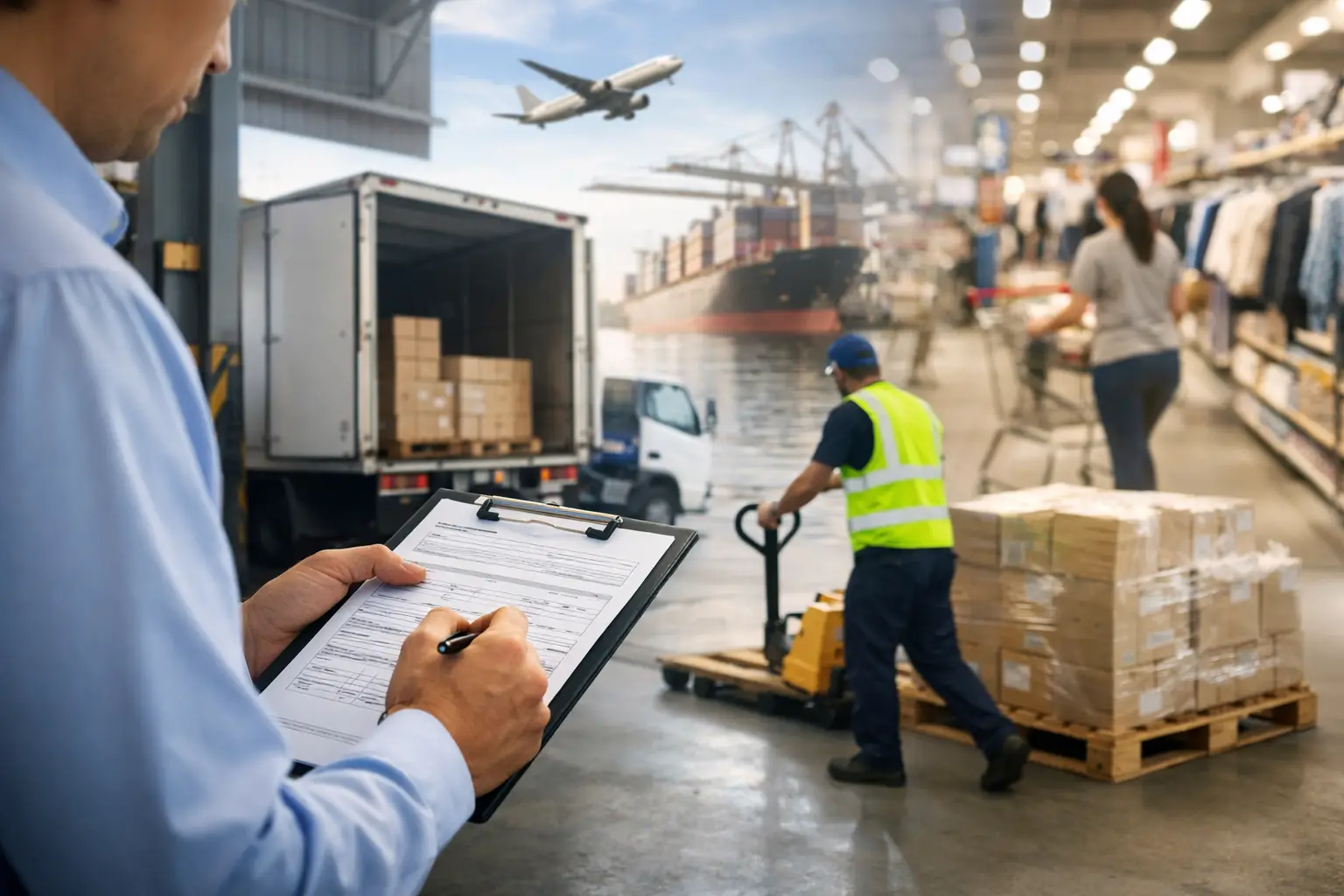
What are retail routing requirements? See how labels, EDI, appointments, packaging, and delivery rules protect supplier margins and deep retailer trust.
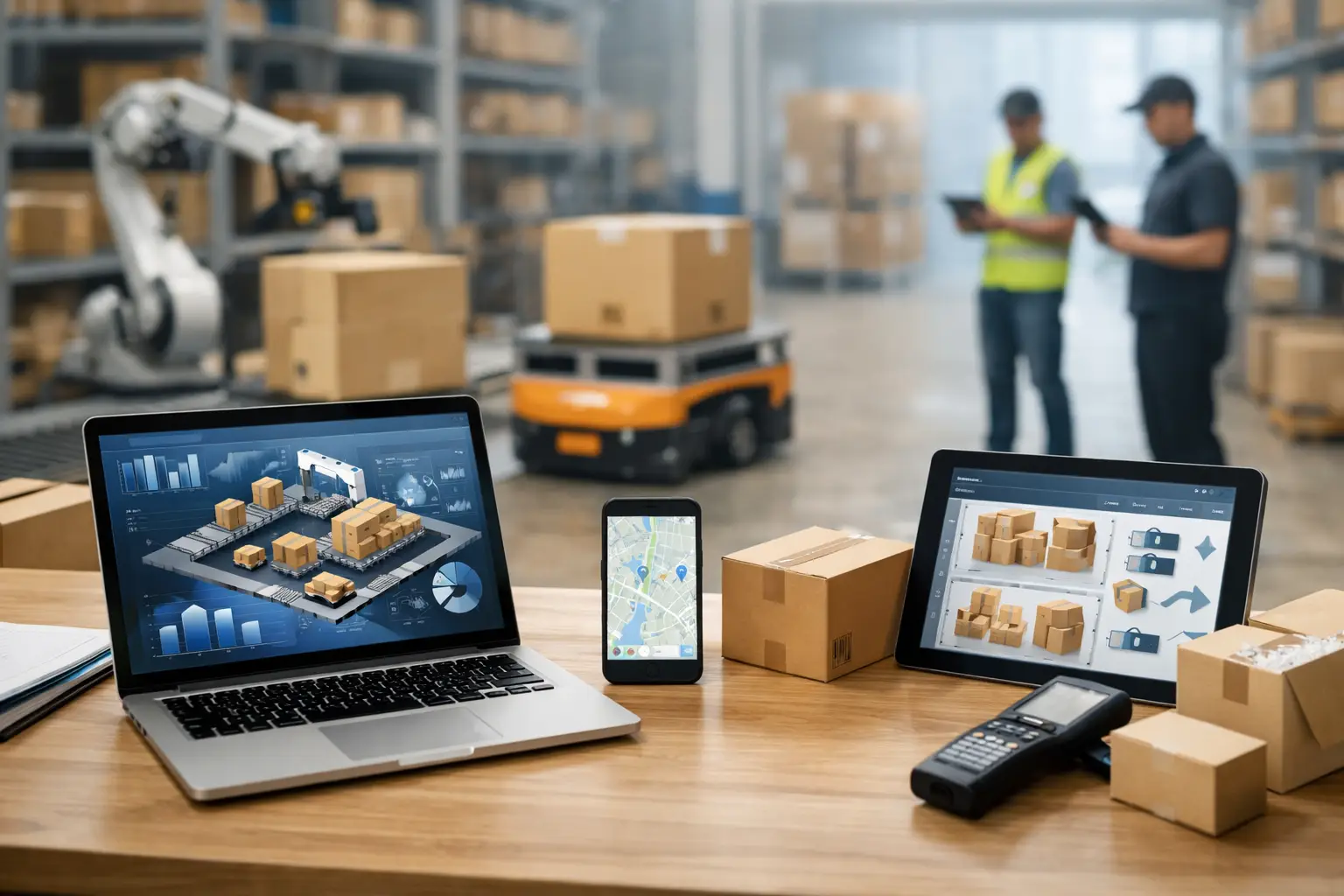
A 3PL technology stack comparison for brands that need accurate inventory, faster fulfillment, compliant orders, and control as volumes grow nationwide.

Pallet storage pricing is more than a monthly rate. See the costs behind a 3PL quote, compare proposals accurately, and build a scalable plan for

Learn how to manage retailer chargebacks using compliance controls, accurate documentation, and fulfillment execution protecting margin and retail trust.

Why do retailers reject shipments? Learn the compliance, labeling, timing, and documentation failures that trigger costly refusals and how to prevent them.

Learn how are fulfillment fees calculated, from receiving and storage to picks, packaging, shipping, and the operational details that shape total costs.

Warehouse outsourcing gives growing brands the inventory control, speed, compliance, and national reach needed to serve every channel with confidence.

Build an enterprise fulfillment onboarding process that protects inventory accuracy, retailer compliance, order speed, and scalable multi-channel growth.
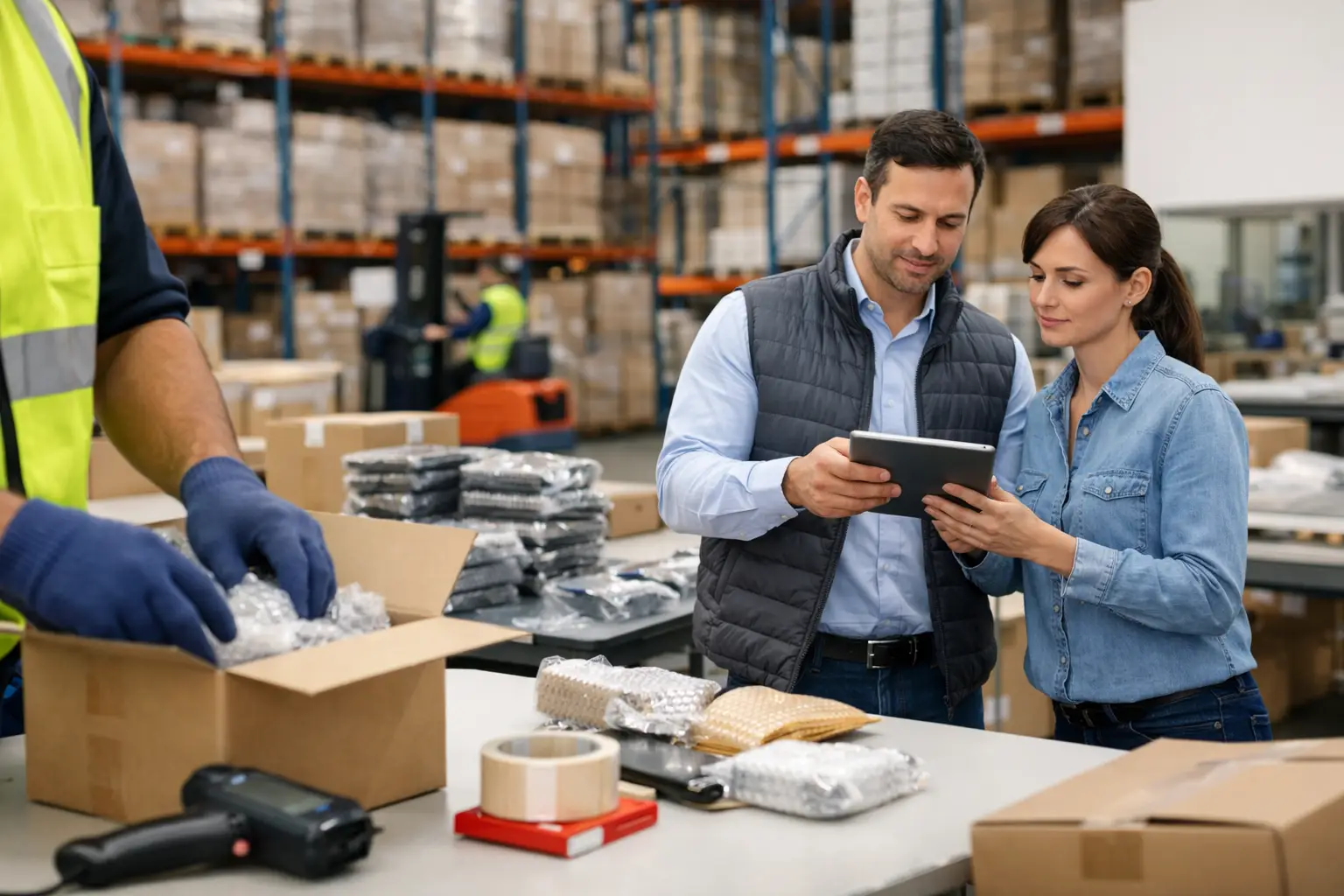
Find the best value added warehouse services for faster fulfillment, cleaner compliance, and scalable DTC and B2B operations across the United States.
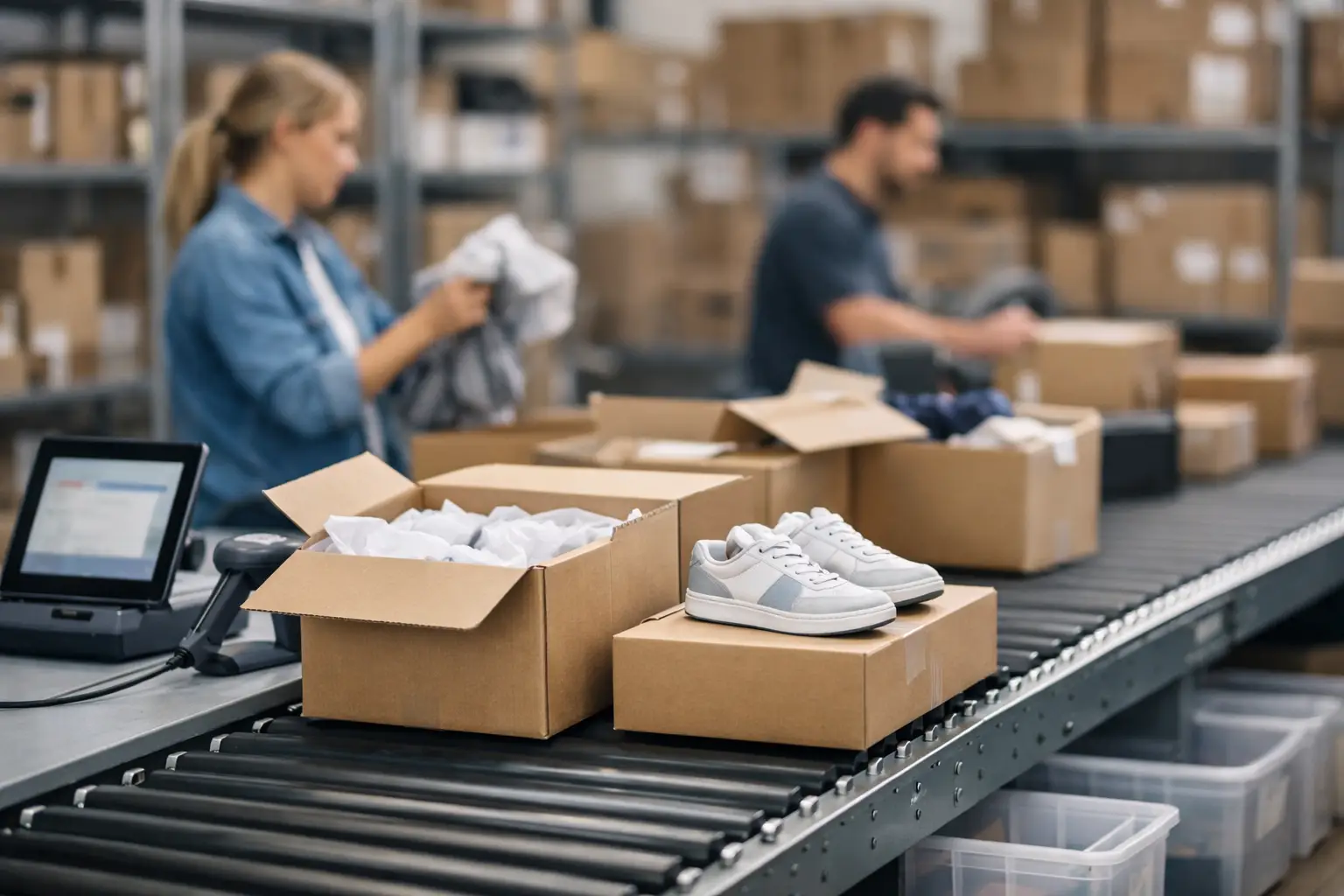
Learn how to optimize returns processing with faster intake, accurate grading, connected inventory, and data that lowers costs and protects brand loyalty.

Freight management brings carrier choices, routing, visibility, and cost control into one operating discipline so growing brands move goods with confidence.
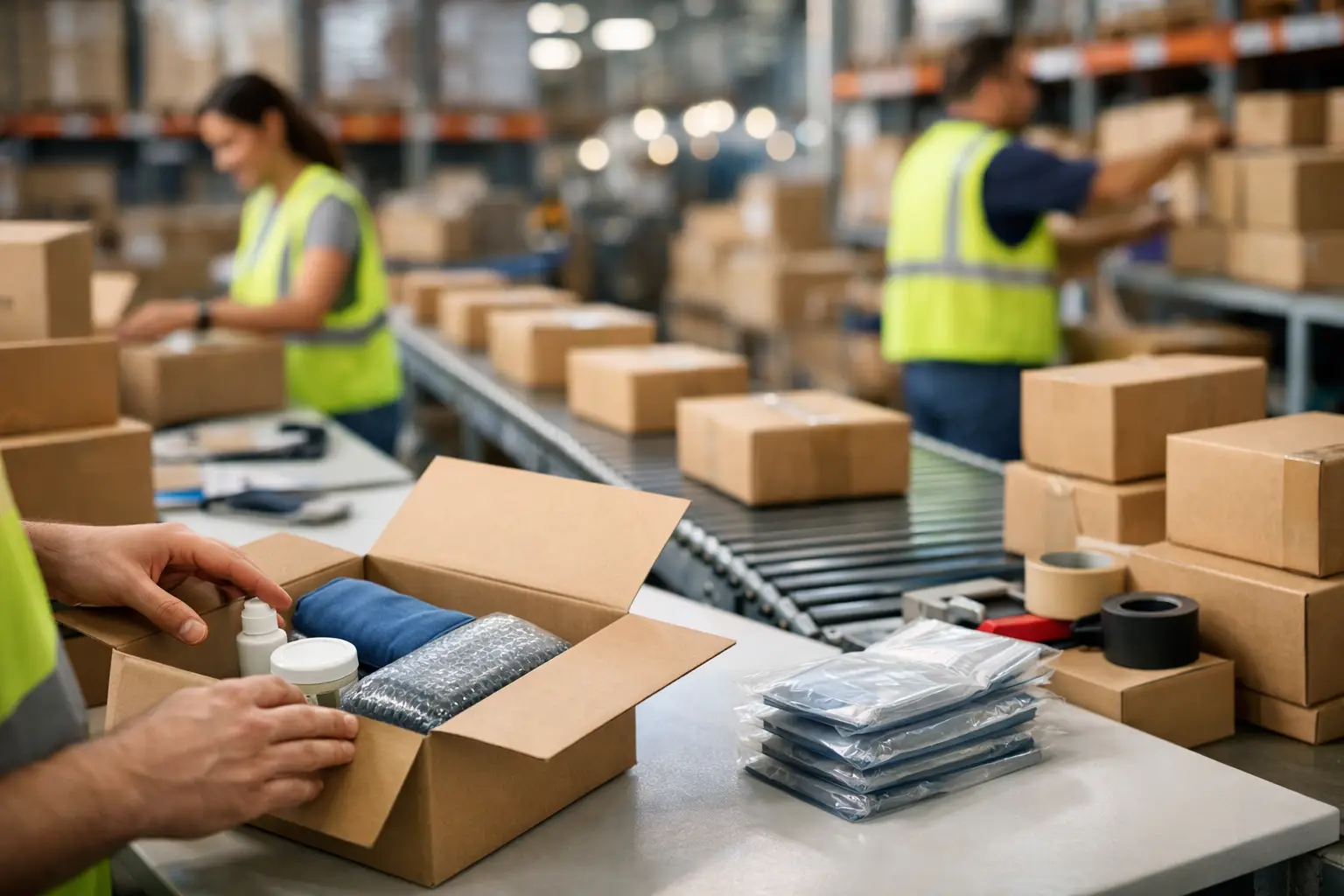
Product kitting services turn complex bundles into accurate, scalable orders while protecting inventory control, speed, and customer experience at scale.
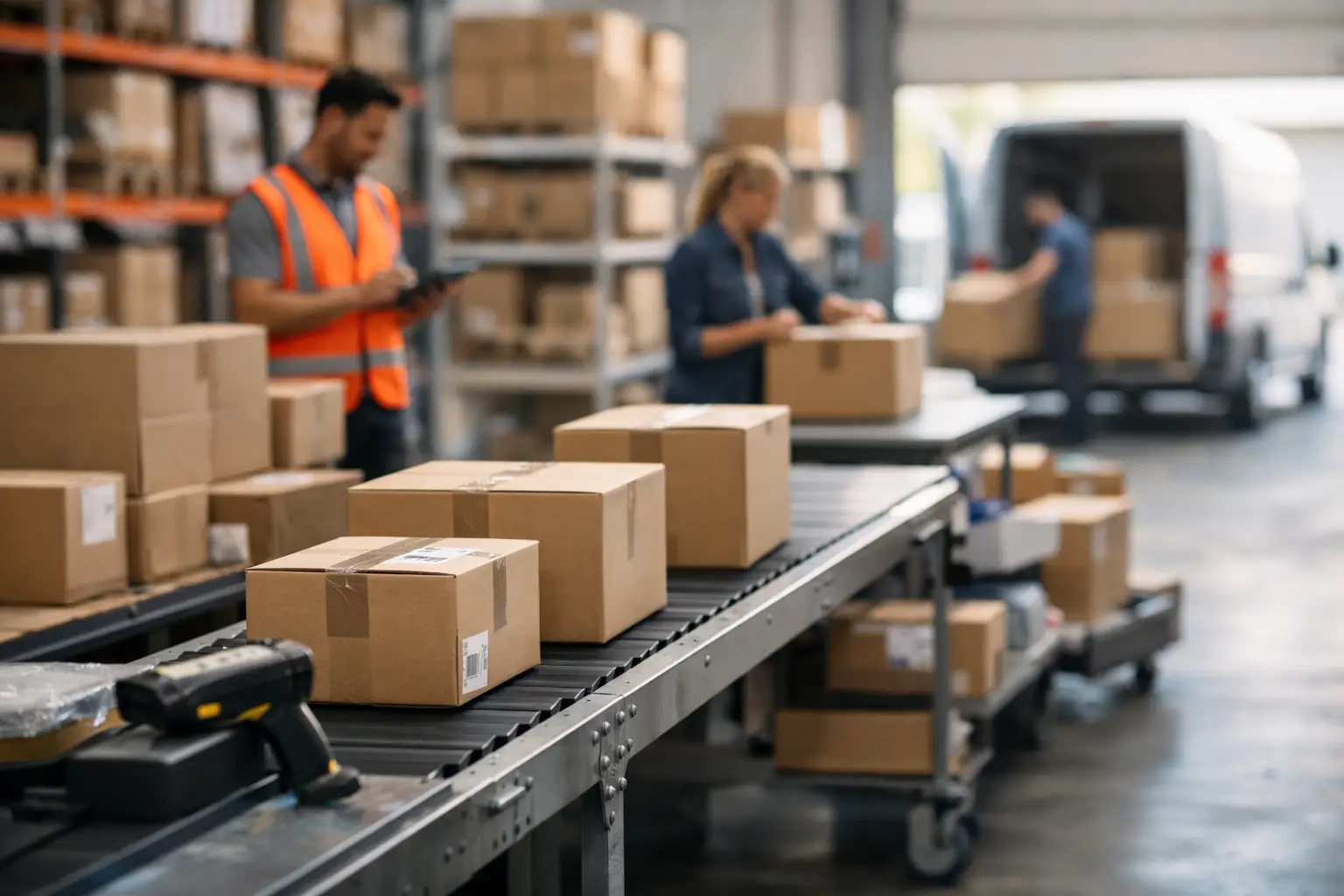
Order fulfillment is more than pick, pack, and ship. Learn how inventory, technology, and network design protect speed, accuracy, and growth at scale.
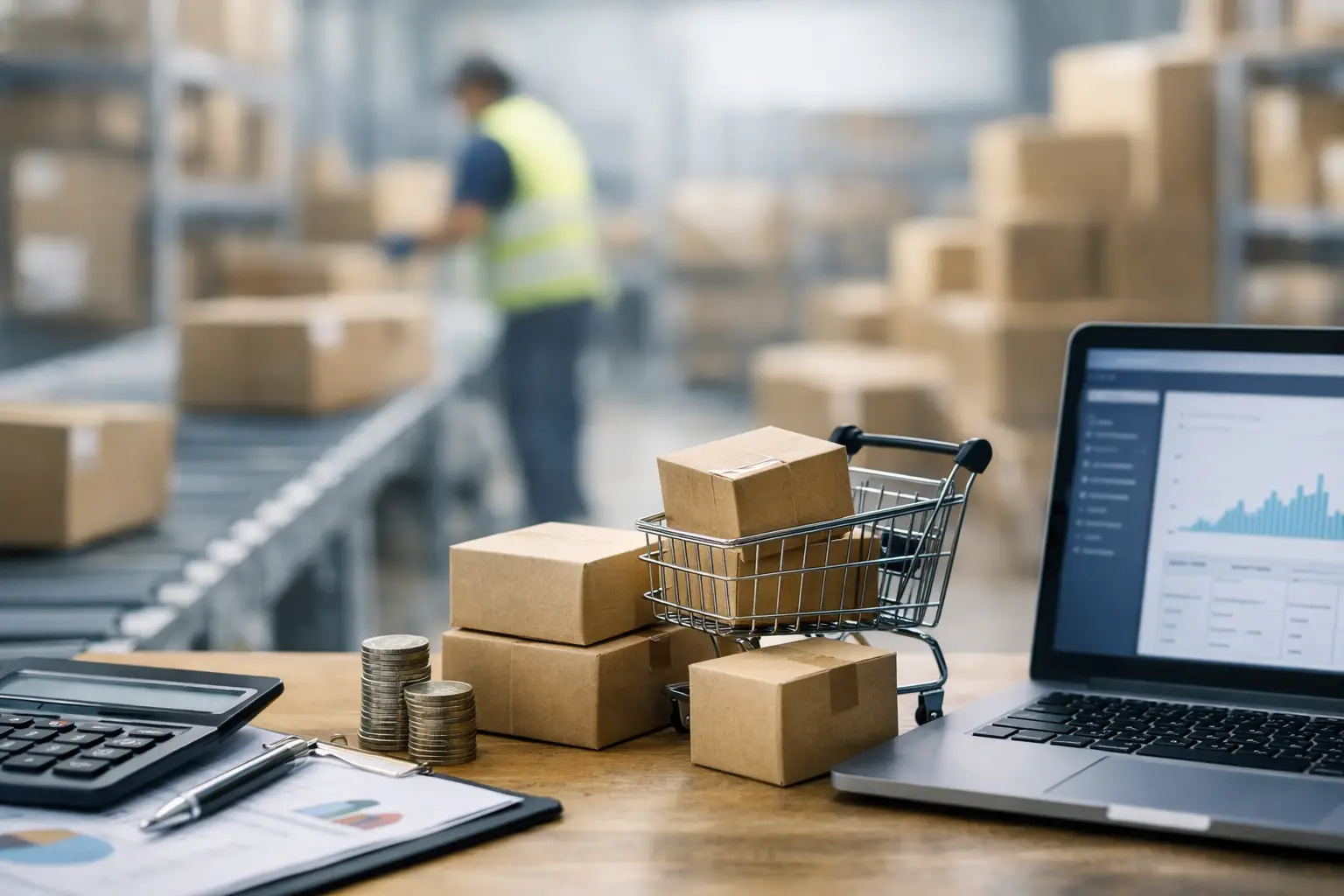
Learn how to calculate fulfillment cost per order, find hidden cost drivers, and build a model that improves margin, speed, and scalable growth planning.

Product labeling requirements for retailers: build accurate labels, prevent chargebacks, and keep DTC and B2B orders moving at scale across channels daily.
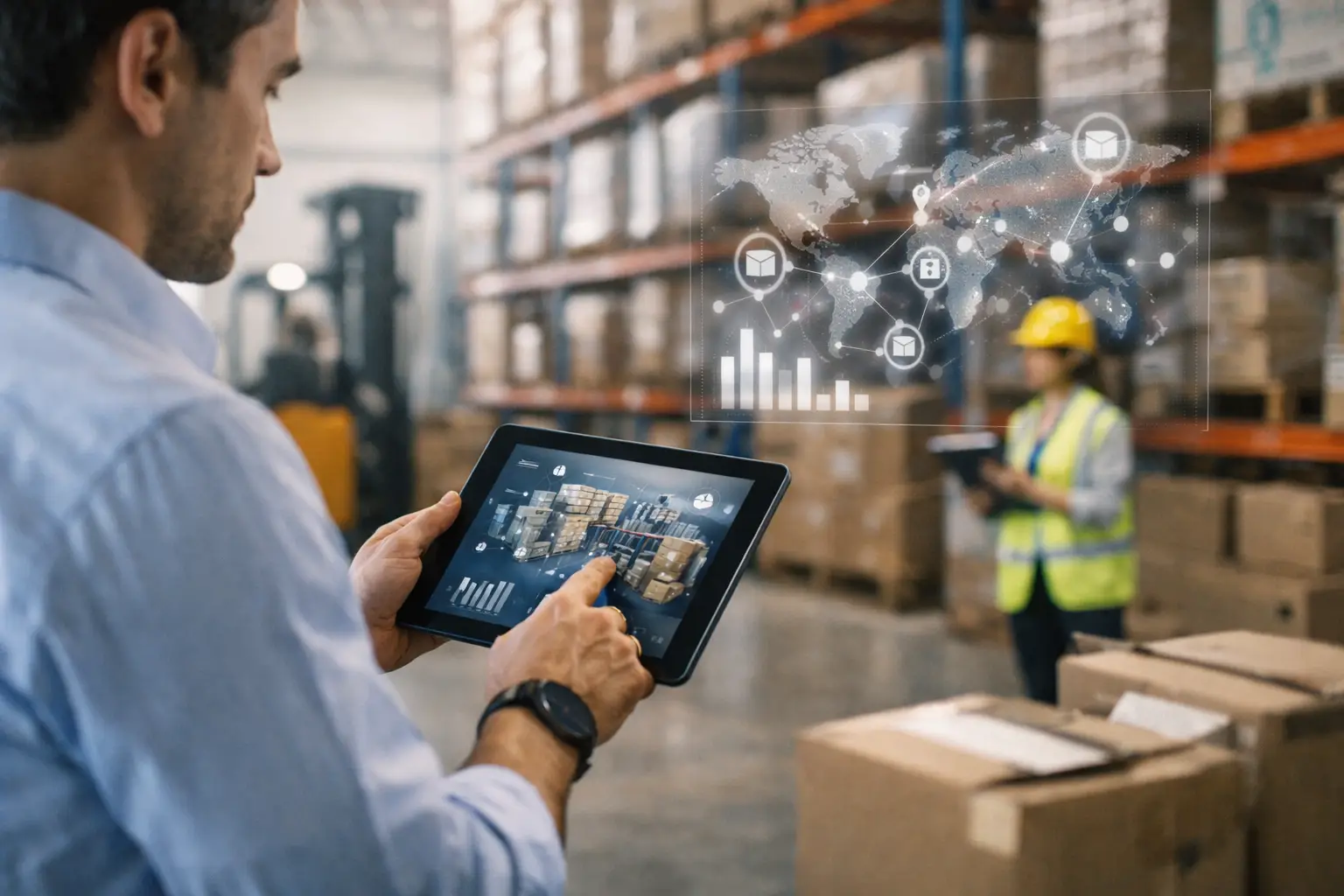
Learn how to improve inventory visibility across warehouses, sales channels, and suppliers to reduce stockouts, improve service, and scale with control.
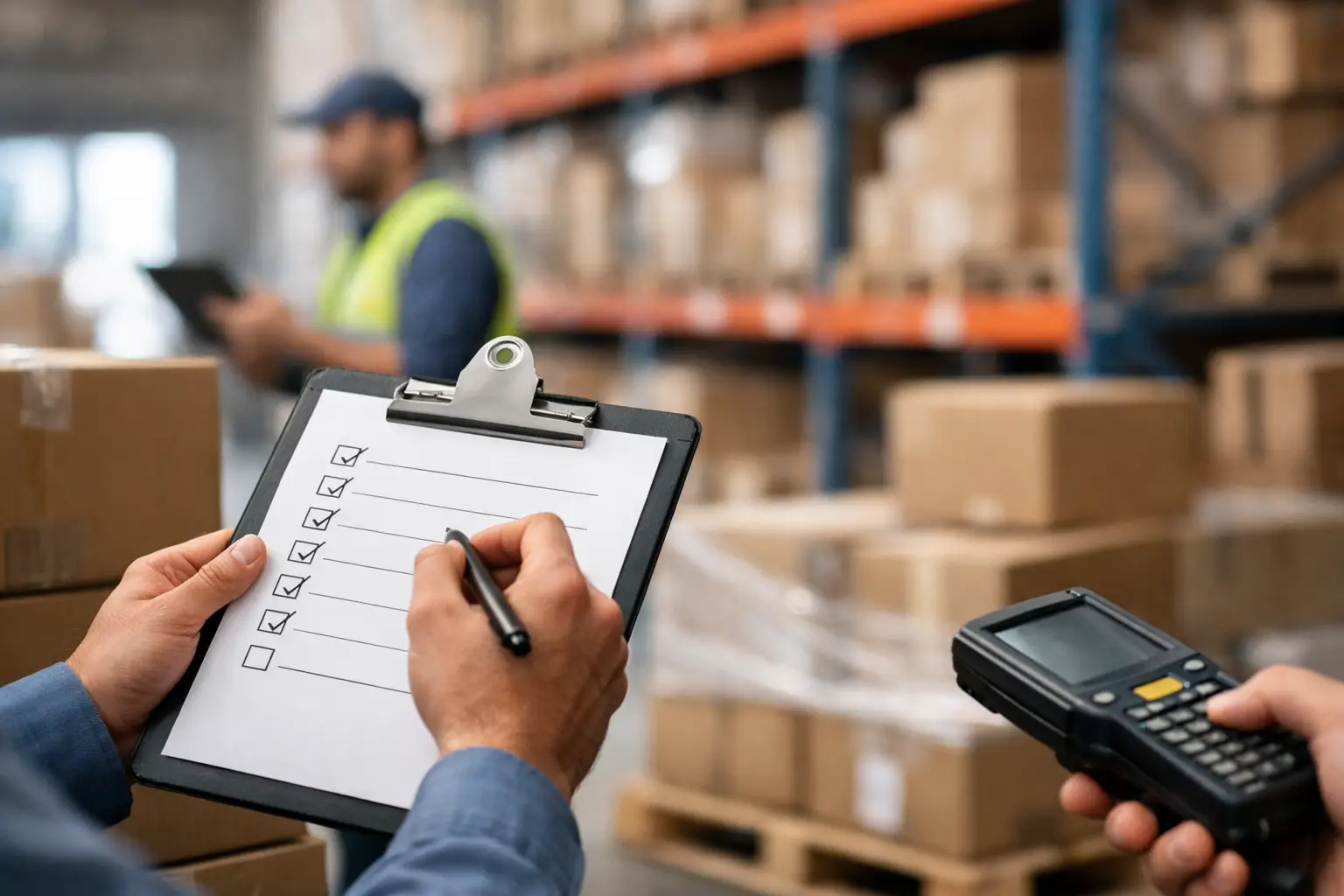
Use this inventory accuracy improvement checklist to strengthen receiving, cycle counts, location control, systems, and fulfillment performance at scale.
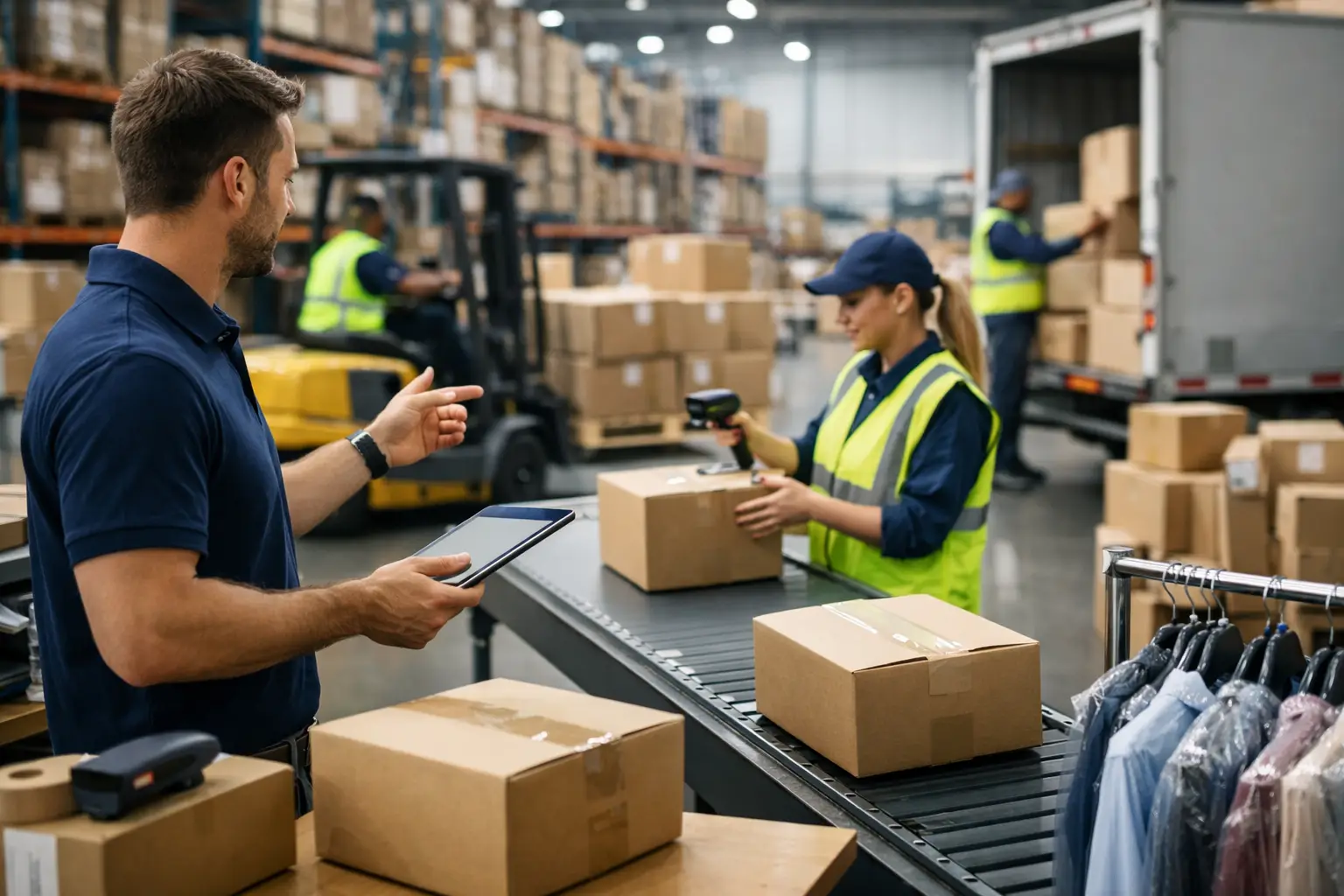
What does a 3PL handle? Learn how fulfillment partners manage inventory, orders, shipping, compliance, returns, and growth across every sales channel.
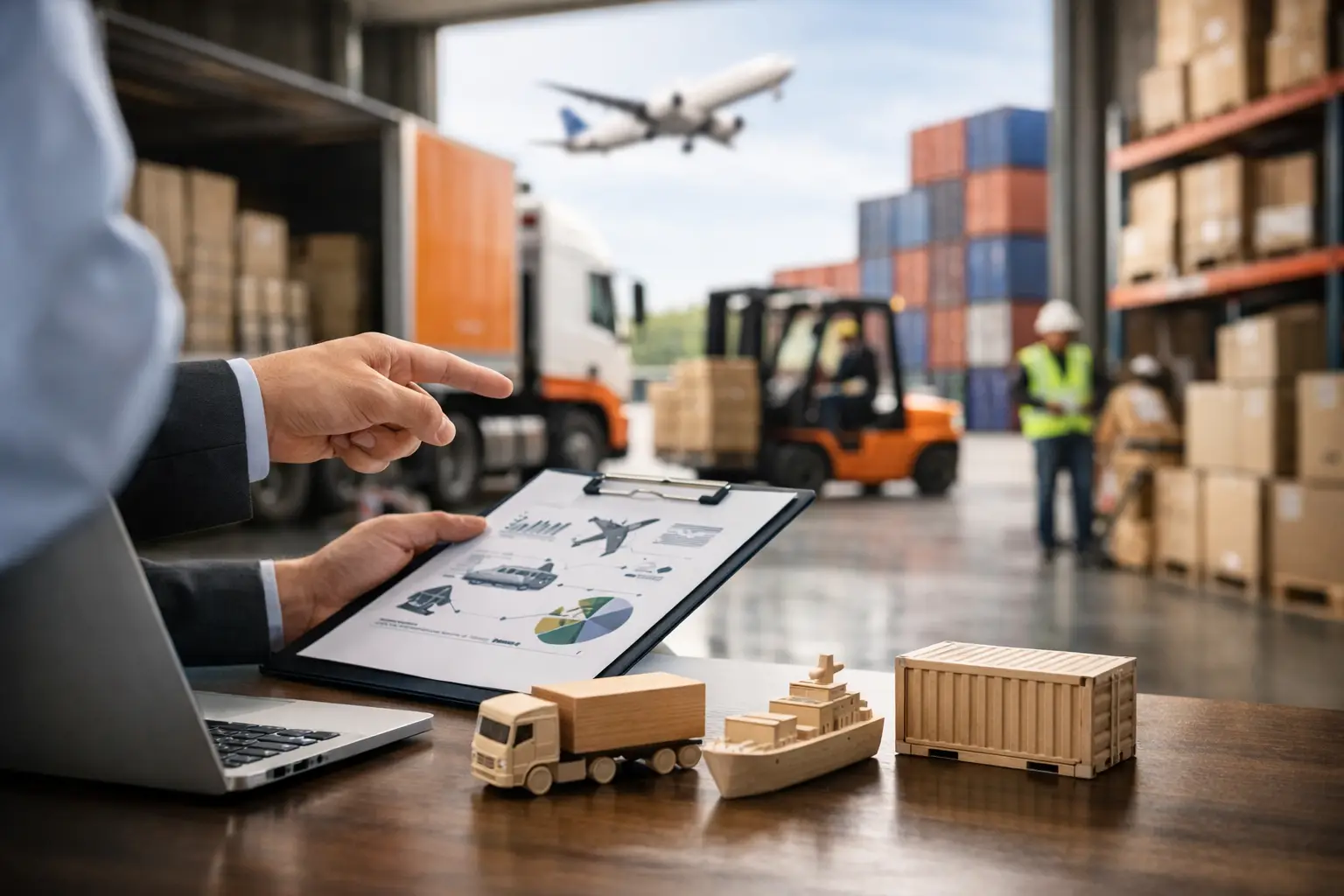
Choose a middle market 3pl partner with the network, technology, compliance discipline, and operating expertise to scale DTC and B2B fulfillment reliably.
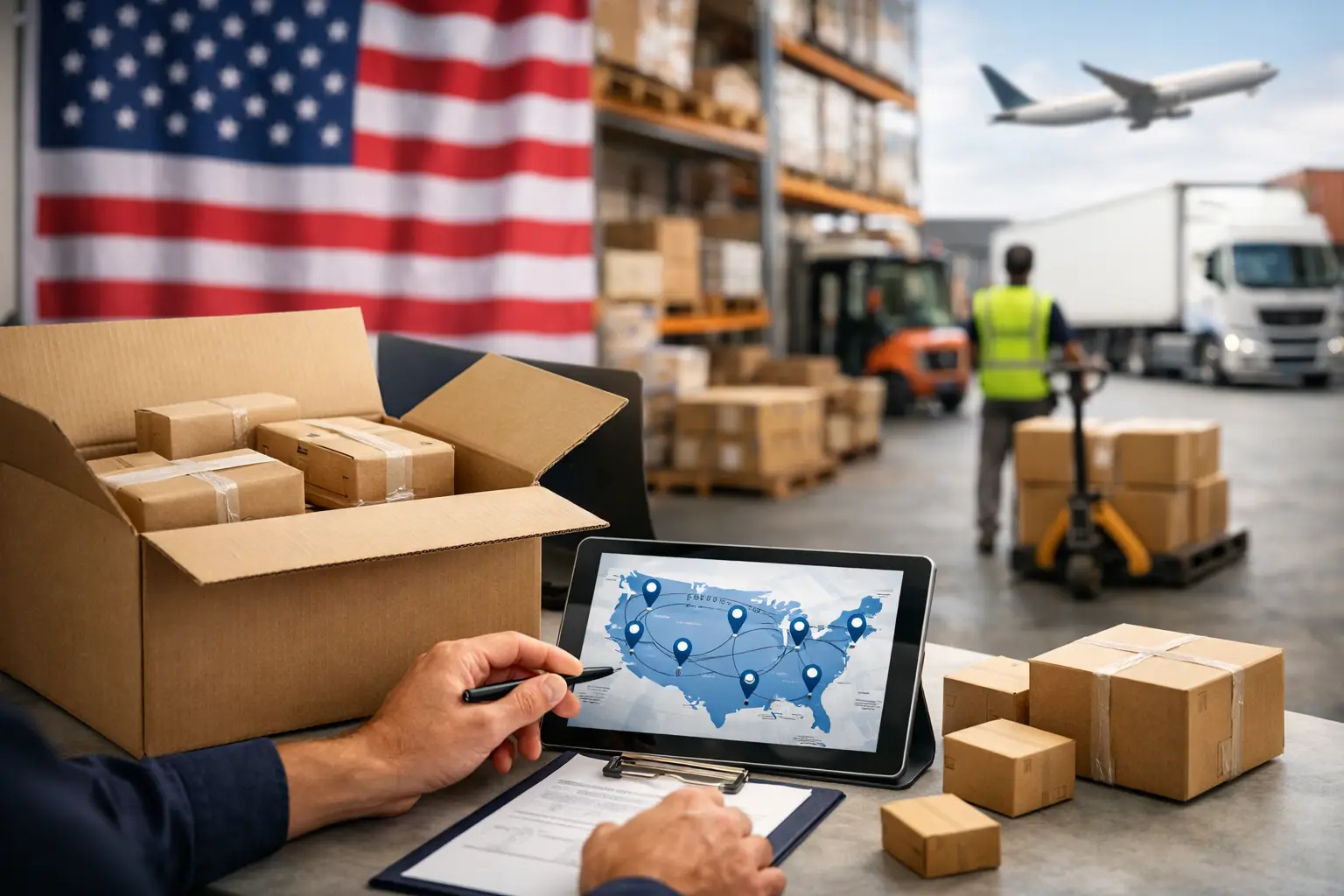
Build an inventory placement strategy USA brands can use to reduce transit time, control freight costs, and scale DTC and B2B fulfillment nationwide at scale.